Coffee people split into 2 camps when it pertains to lattes. Some chase the silk, the glossy microfoam that slides like satin. Others consume over what lies below, a shot that remains loud also after a milk bath. If you consume cappucinos most early mornings, you find out rapidly that bean selection does greater than push the taste. It establishes the whole script. Which is why obtaining the ideal coffee beans delivered, regularly, may be the most significant upgrade you can make to your day-to-day mug short of acquiring an appropriate grinder.
I have drawn shots on ancient solitary central heating boilers and on shiny twin central heating boilers with PID control. I have actually steamed milk in pitchers dented from years of use, and when in a resort cup when I forgot the bottle at a rental cabin. Via all that, one truth stuck. Lattes reward fresh, thoughtfully sourced beans far more than the average coffee enthusiast anticipates. Which is where Gourmet Coffee Beans Delivery gains its keep.
What latte drinkers really need from beans
A latte turns the proportion towards milk, not by a little, by a whole lot. Eight to ten ounces of milk to a double shot is common in the house. Milk brings sweet taste and body, plus it blunts acidity and tightens the flavor range. Beans that taste dynamic as an espresso directly could taste shy behind milk. So you need one of 3 things.
First, a roast profile with adequate caramelization to press chocolate, toffee, or hazelnut notes. Second, a blend or solitary beginning that brings a bassline of syrupy body. Third, soluble substances that draw out equally for a forgiving shot. You do not need a scorched roast that diverts into charcoal. You do require beans with sufficient visibility to stand tall.
Latte-friendly coffees usually come from Brazil, Colombia, or El Salvador when roasted to medium or tool dark. Well constructed blends add a darker part, sometimes 20 to 40 percent, to consider that cacao strike. On the lighter side, a natural Ethiopia or a honey-processed Costa Rica can function if the roaster goes for greater solubility and keeps the roast reluctant of burnt. If you appreciate fruit in your cappucino, seek naturals with strawberry or blueberry provided, however accept that milk will certainly transform those notes right into something like berries and cream rather than fruit salad.

The situation for shipment over shop runs
I used to grab coffee blends from a neighborhood store every various other Saturday. It worked until it did not. One week the set tasted various, the next week they had run out, and the 3rd week the barista told me their new mix would certainly require an added day to degas. Meanwhile my home equipment blinked 6 a.m. and the hopper rested vacant. The cappucino gods are not kind at dawn.
Coffee Beans Delivery addresses two sensible problems for latte enthusiasts. Quality becomes predictable, and you can tune the roast schedule to your removal practice. Many roasters mark the roast day and offer an ideal home window. For milk beverages, I discover days 7 to 21 after roast work best for medium roasts. Lighter roasts in some cases open up around day 10 to 28. When you Get Coffee Beans Delivered on a set tempo, you land that window without the scavenger hunt.
The 2nd advantage sits in the directory. With Gourmet Coffee Beans Delivery, you can try blends designed for milk without thinking. Specialized roasters generally offer a minimum of one support blend, often named after the roastery or a traditional term like Home Espresso or Milk Coffee, plus turning solitary beginnings roasted for espresso. Distribution from the source suggests you share a pipe with cafe accounts, and in most cases you receive the exact same set the baristas utilize. That matters. Quality blends rely on consistent environment-friendly coffee and tight roast curves, and top roasters guard that consistency.
Freshness math that really impacts taste
You will see a lot of conviction about exactly how promptly coffee stales. It is not magic, it is chemistry and getting away gases. Coffee degasses carbon dioxide for days after roasting. Too much CO2 and your puck networks. Too little unpredictable aromatics and your latte tastes flat.
For a double shot into milk, believe in arrays as opposed to clocks. Medium dark roasts are usually practical around day 4, great by day 7, peaking in between day 10 and 18, and still pleasurable through day 25 if saved well. Tool roasts typically require day 7 to 21. Lighter coffee roasts often taste a little bit sharp in milk until day 10 to 14, then resolve into sugar and fruit lotion area. If your delivery cadence lands a bag on your front door every 2 or 3 weeks, you can ride the center of that height consistently.
A fast anecdote. Last winter I divided two bags from the exact same roaster: a chocolate-forward Brazil-based blend and a washed Ethiopia baked slightly lighter. I pulled with January, dosing 18 grams in, 36 grams out in 30 secs. With whole milk, the mix tasted like warm cacao and almond butter from days 8 to 20. The Ethiopia tasted lemony and thin till day 12, then it transformed. The cappucino developed into lemon custard with a hint of jasmine, oddly fascinating. The schedule mattered greater than any type of tweak to grind.
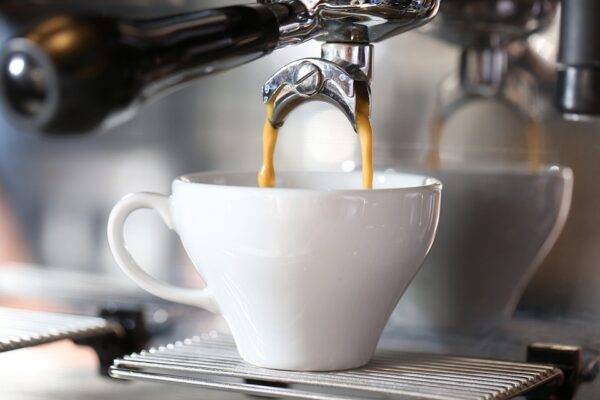
Choosing origins and blends for milk
Blends are where most latte fans ought to begin. Roasters construct them to strike reputable notes: cacao, sugar, roasted nuts, sometimes a wink of dried fruit. A great mix keeps your morning from ending up being an extraction scientific research fair. As an example, a Brazilian natural for body, a cleaned Central American for structure, and a tiny percentage of something fruity to keep it lively. When done right, the espresso punches with milk with a brownie-like core.
Single origins sing in cappucinos if you pick meticulously. Naturals from Ethiopia or Guatemala bring berry compote, sometimes grape jam. Honey-processed great deals from Costa Rica can taste like dulce de leche with baked apple. Washed Colombians at medium roast typically give a firm caramel backbone that takes a trip well in milk. Watch for very high level of acidity summaries. Grapefruit and lime, wonderful in line of sights, can turn milky under milk if the roast is too light.
Roast degree issues, but not in the simple way that dark equates to great for milk. You want sugars to develop into sugar and toffee, not ash. A competent roaster can take a coffee into medium dark and maintain the structure intact. The method is stopping prior to oils sweat visibly externally. Shiny beans are not an automatic sin, however they do age much faster and can taste smoky in milk. If a roaster labels a coffee "for milk drinks" or "milk espresso," that is your signal.
Grinder initially, milk second, after that machine
Latte enthusiasts in some cases spend too much on the maker and skimp on the mill. That is backwards. A consistent mill pays returns fired after shot. If your dosage varies by half a gram or your grind distribution resembles crushed rock and dirt, no roast can wait. I would rather draw on a simple solitary central heating boiler with a good grinder than on a high-end prosumer device with a bargain burr set.
Milk steaming issues, but much less than internet arguments recommend. The majority of home machines can make good microfoam once you learn your bottle angle and cleanup routines. What the wrong beans can not do is emerge body and sweetness inside that milk. That originates from soluble compounds removed from the coffee, which circles us back to why coffee beans delivered fresh make the difference you can taste.
Subscriptions versus one-off orders
There is love in browsing new releases, clicking a natural Yirgacheffe since the sampling keeps in mind check out like a treat food selection. Then there is the Tuesday early morning where you pour cereal milk into your cup because the bag ran out yesterday. Registrations eliminate drama.
I examination both designs. When grasping a brand-new device or dialing in a mill, I run a registration of the very same mix for 2 months. It allows me listen to the little changes, temperature tweaks, puck preparation enhancements. Once points resolve, I go half-subscription, half-exploration. My standing order brings a reputable mix every 3 weeks. Every other cycle I add a single origin matched for milk. That rhythm keeps the comfort and the curiosity.
Gourmet Coffee Beans Delivery solutions commonly let you established grind dimension, yet do not. Buy whole beans. Pre-ground stales within days and presses aromatics prior to they ever fulfill your portafilter. The exemption is if you lack a mill totally, but that places you on a treadmill of reducing returns. Conserve up for a qualified burr mill first.
How delivery timing modifications your workflow
When you manage distribution, you can prepare for the degassing home window. I schedule bundles to show up midweek. I open the bag, pull two shots the following day to set a baseline, then leave it alone for an additional day. On day 3 after arrival, I dial in genuine. By Saturday, the coffee strikes the center of its pleasant spot, and I cruise for a week.
Altitude, processing, and roast contour alter the degassing arc. Naturals release gas a lot more gradually. Really dark roasts release gas quickly and afterwards discolor. With time you will certainly learn the character of your favored roaster. One store I purchase from roasts somewhat lighter; their "milk mix" requires days 9 to 16. An additional roaster pushes deeper right into caramelization; their blend lusters day 6 to 12. Distribution lets you sync those patterns with your consumption.
Milk choice is flavor choice
The very same beans taste completely various with various milk, and distribution amplifies this due to the fact that your beans are foreseeable. Whole dairy milk makes the sweetest, creamiest cappucino as a result of fat and lactose. If you switch to oat milk, you include oat's very own cereal notes and commonly extra sweetness from enzymes made use of in processing. Almond milk brings a somewhat bitter edge and can split if the level of acidity from the coffee is high and the roast as well light.
I maintain two milks in the refrigerator when testing a shipment set. With a tool roast blend, whole dairy offers me chocolate and nougat. With oat, the very same coffee leans toward oat meal cookie. If I pick a fruitier Ethiopian, entire milk preferences like berries and custard, while oat pushes it toward blueberry muffin. Neither is wrong, but it deserves matching your milk to the bean profile you are expecting.
Dialing in for cappucino, except straight shots
Many home baristas chase book coffee numbers: 1:2 ratio, 25 to 30 secs, puck prep like a surgical procedure. That is a fantastic base. For lattes, you can flex. If your beans taste flat in milk, you can grind somewhat finer to press extraction by 2 to 3 portion factors. That frequently swaps boring cocoa for fudge and raises regarded sweet taste in milk. If your cappucino preferences bitter or heavy, withdraw a hair coarser, reduce the shot somewhat, and let the milk take the lead.
Temperature likewise conceals in ordinary view. A 1 or 2 degree Celsius modification can turn the balance. Tool roasts generally like 92 to 94 C. For blends with a darker component, 91 to 92 C maintains bitterness in check. A lighter coffee roast might wake up at 94 to 95 C. Shipment offers you consistent beans so these changes really stick.
Storage that values the roast
An excellent delivery does not excuse careless storage. Keep beans in their original bag if it has a one-way valve and a strong zipper, or relocate them to an airtight container. Do not portion beans right into the freezer each day, opening up and shutting so condensation types. If you buy in bulk, freeze in single-week sections right after distribution, double-bagged, and thaw each section overnight secured. I evaluated loss of aromatics on several sets by odor and removal numbers. Icy weekly portions held up at least 85 to 90 percent of optimal for a month or more, enough for a backup stock. The beans sitting open in a kitchen for four weeks sagged fast.
Truths about rate and value
You can discover coffee blends anywhere from 12 to 25 dollars per 12-ounce bag, with costs microlots greater. For milk drinks, the majority of people will taste the difference in between grocery store blends and specialized roaster blends. You will likewise taste lessening returns above a certain rate if you bury the shot under a great deal of milk. My regulation. Invest actual money for your everyday blend, but conserve the uncommon, costly solitary beginnings for much shorter milk beverages like cortados or for straight espresso.
A transparent distribution service aids you recognize what you are paying for. Seek roast days, origin information, and refining telephone calls. Seek the option to miss or transform roast degree. Comb reviews from people who mention milk drinks particularly, not simply straight shots. And when a roaster transforms the mix seasonally, welcome it. Fresh plants defeat stagnant consistency.
Espresso machines and pantries that play well with delivery
I have actually brewed stellar lattes on a solitary central heating boiler with a pressurized basket and on a device that set you back as much as an utilized cars and truck. Both https://griffinfence-contractorpezz228.raidersfanteamshop.com/exactly-how-to-taste-test-beans-from-coffee-beans-delivered-boxes benefited from foreseeable beans. If you depend on pressurized baskets, favor a somewhat darker, a lot more soluble roast and soak the puck for 2 secs before pulling. If you make use of a bottomless portafilter, you will see every blunder in circulation. Delivery will certainly not take care of transporting, however it does provide you one variable firmly in hand.
If your cupboard sits warm or sunny, you are functioning uphill. Shipment maintains the quality pipe streaming, yet warmth increases staling. Maintain beans someplace amazing and dark. That additional week of height flavor you get from excellent storage translates right into softer anger and fuller sweetness in your latte.
When to chase after single origins and when to work out right into a blend
Curiosity pays returns. In springtime I like washed Central Americans roasted to medium for lattes since they taste like caramel apple and toasted pecan. Summer fits naturals with their berry notes. Autumn pulls me toward blends with a Brazil base, relaxing and chocolate-heavy. By wintertime I desire something richer, possibly with a touch of Sumatra for earth and spice. Distribution makes that seasonality easy to endure instead of just reviewing it.
If your mornings are hectic and your persistence slim, welcome the convenience of a home blend tailored for milk. Let the roaster be the explorer while you be the enthusiast. If you love the search, set your subscription to a rotating espresso strategy and define that you consume alcohol milk drinks. Many roasters will filter out the ultra-light experiments that make far better line of sights than lattes.
Troubleshooting by preference, not by online forum fights
The latte preferences thin. Increase dosage by half a gram, or grind a click finer if your grinder has stepped adjustments. Go for a slightly longer contact time, yet do not let the shot gush.
The cappucino tastes bitter or ashy. Reduced mixture temperature level by one degree, or grind a touch coarser. If the beans are old, accept that the top notes left weeks earlier and adjust the milk proportion to soften the edge.
The cappucino preferences sour or curdled with different milk. Change to a milk made for baristas with level of acidity regulatory authorities, or select a somewhat darker roast. Reduced the shot return from 36 to 32 grams to enhance stamina without amplifying acidity.
The latte tastes hollow, like warm milk with a coffee murmur. Select a mix promoted for milk, or a roast one notch darker. Some solitary beginnings do not bring sufficient midrange for a cappucino regardless of exactly how you extract.
A word on values and flavor
Specialty coffee stays in the stress in between taste, cost, and fairness. You can, and should, expect Excellent Coffee Beans Delivered to list ranch or participating names, elevation arrays, and handling. Openness tends to correlate with quality. As a customer, I additionally care whether the roaster functions straight with importers that pay over commodity costs. Not since it appears excellent, however because coffees expanded with care often tend to taste far better, and roasters who purchase partnerships usually call in roast accounts more meticulously. When milk goes into the conversation, nuance is more challenging to perceive, however it is still there. A well-picked Colombian with strong sweet taste underwrites your latte's taste every early morning, quietly.
Two easy distribution approaches that in fact work
- Set-and-forget milk mix subscription: choose the roaster's milk-focused mix, ship every 14 to 21 days, whole bean, 12-ounce or 1-kilogram depending on household usage. Stay with it for two months, readjust tempo if bags accumulate or run short by greater than two days, then keep riding. Alternating interest: establish a base milk mix every three weeks, and on every 2nd distribution include a solitary origin roasted for espresso. Use the single beginning for shorter milk beverages like cappuccinos the initial week, then mix it half-and-half with the base blend for lattes in week 2 as it ages.
What "exquisite" really buys you in a latte
Gourmet Coffee Beans Delivery need to suggest greater than expensive fonts and tasting notes that read like a poetry contest. It suggests the roaster mugs their coffee roasts with milk, not just as line of sights. It suggests they appreciate solubility, not simply shade. It means delivery techniques that protect freshness, bags that seal tight, and a lineup where a minimum of one mix exists especially for milk drinks. If they note brew criteria, also better. If they change the mix seasonally and tell you just how, finest of all.
If you have actually ever drunk a cappucino that tasted like dissolved chocolate gelato with a soft caramel coating, you recognize what I am directing at. It is not unintended. It is option, toasting, and shipment working in concert.
A fast note on quantity and proportions at home
The beverage you call a cappucino could differ by mug size. A traditional coffee shop cappucino relaxes a 1:3 to 1:5 coffee to milk ratio, relying on the coffee shop. In the house, that often wanders towards 1:6 just because mugs are big. If you want the coffee to radiate without upping bitterness, think about drawing a slightly larger dosage. For example, relocation from 18 grams in to 19 or 20 grams in, keeping the proportion around 1:2, then include much less milk than your mug can literally hold. Or maintain the 18-gram dosage and shorten the milk by an ounce. Small changes swing flavor greater than most people expect.
Sustainability of convenience
People in some cases bristle at the concept of shipment when a grocery shelf sits two blocks away. However I have examined my own waste. With a stable registration, I throw out fewer stale beans, I consume alcohol less takeout cappucinos in disposable cups because home tastes fantastic, and I batch my deliveries less times each month. Delivery selections differ by area, however several roasters use carbon-offset delivery or combined courses to reduce impact. If that issues to you, surf for it. Flavor and obligation can share a cup.
Bringing it all together, one silent morning at a time
Picture a Thursday. You raise the mailbox lid and discover a bag cozy from the truck, roasted 2 days ago. You stash it, draw a shot tomorrow just to greet, after that you wait one more day. Saturday gets here with good sleep and a clear head. Grinder hums at the setup you jotted on a sticky note recently. The beans bloom right into a thick, syrupy stream. Milk swirls, thins, after that tightens up into glossy paint. You put a loosened tulip since art was never ever the point, taste chocolate and toasted almond, possibly a hint of dried out cherry if the blend includes a natural part. You built this mug long before the kettle warmed up, when you chose consistency over improvisation and asked to get coffee beans delivered on your schedule.
That is the peaceful power of a good Coffee Beans Delivery habit for latte enthusiasts. It gives you the initial draft of flavor already composed, so the tiny decisions at the machine can read it aloud. The rest is practice and a little inquisitiveness. Enough inquisitiveness to try a honey-processed Costa Rican when your roaster suggests it. Enough technique to recognize that your equipment requires a level extra warmth than your pal's does. Enough common sense to maintain one additional bag in the cabinet, due to the fact that life happens.
If you are on the fencing, start simple. Select a roaster with a milk-friendly blend and strong reviews. Order entire bean. Schedule every various other week. Make for a month and take note of preference, not simply numbers. After that push. Somewhat finer, slightly hotter, slightly much less milk. If the beans provide the raw material, the latte will certainly comply with. With Gourmet Coffee Beans Delivery, you can quit really hoping the rack has your blend and begin preparing your mornings around a mug that tastes like you meant it to taste. That is not luxury. That is a practical path to far better cappucinos, one delivery at a time.